Schools / School of Climate Change and Blue Economy Social Work (BLU)
School of Climate Change and Blue Economy Social Work (BLU)
Building resilient coastal communities for a sustainable future
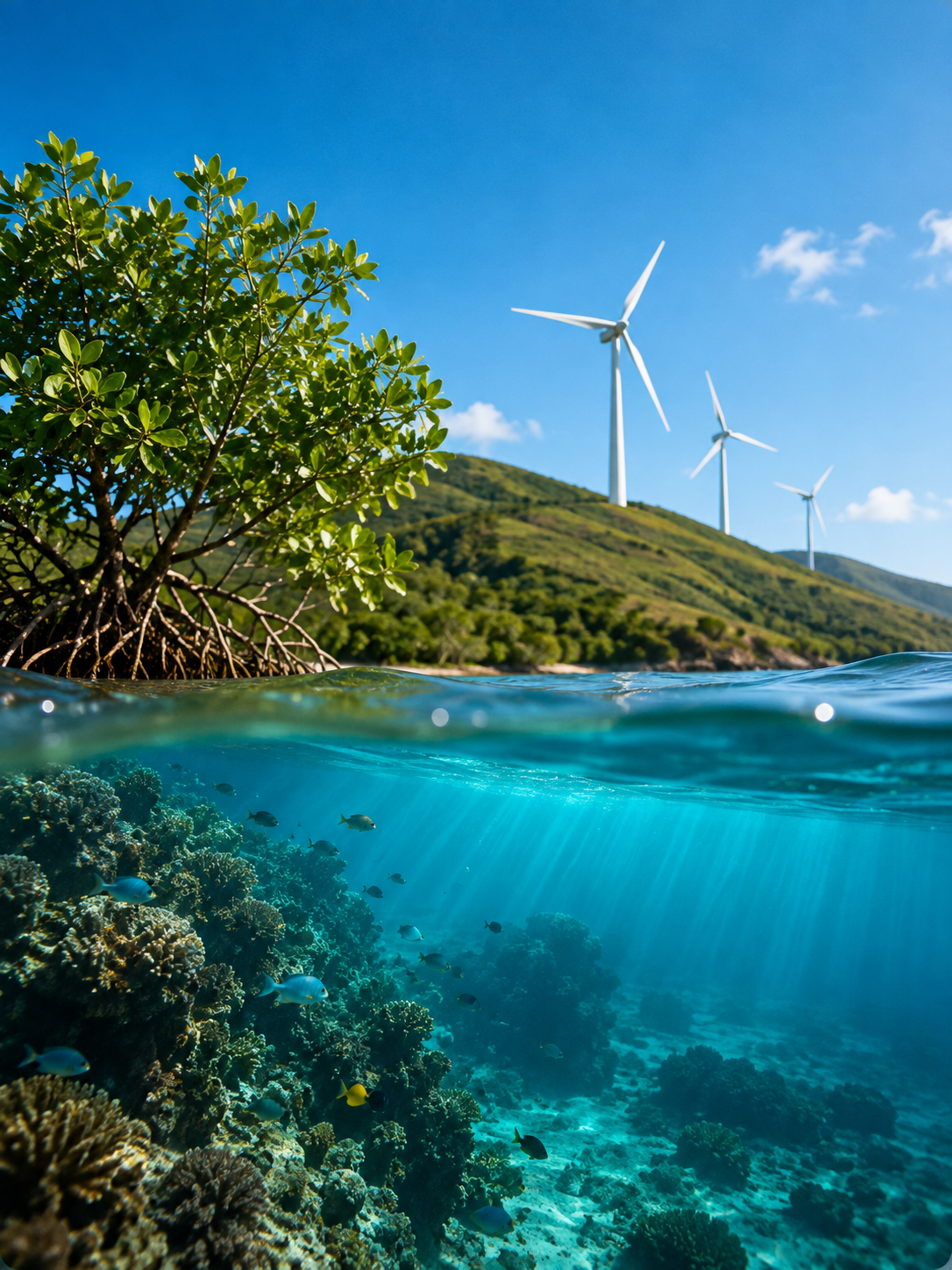
Equipping social workers to address climate change, strengthen coastal and marine livelihoods, promote the blue economy, and advance environmental justice through resilient and sustainable community development.
Log in or sign up to enroll in this school.
Courses in this school
Climate Change Science and Vulnerability Assessment
Course One establishes the scientific and analytical foundation for the entire BLU certificate. Learners are introduced to the basic science of climate change, the distinction between weather variability and long-term climate trends, and the specific manifestations of climate change relevant to the
View course: Environmental Justice and Human Rights in Climate Practice
Course Three grounds the BLU certificate's technical climate and disaster content in a rights-based, environmental justice framework, directly relevant to a region where decades of oil and gas extraction have produced well-documented, unevenly distributed environmental harm alongside emerging climat
View courseMarine and Coastal Ecosystem Management
Course Five is the certificate's most field-intensive course, building learners' practical understanding of the marine and coastal ecosystems, mangroves, wetlands, estuaries, and near-shore fisheries habitat, that underpin both the blue economy livelihoods covered in Course Four and the natural coas
View courseSustainable Livelihoods in Coastal Communities
Course Seven builds directly on the blue economy literacy of Course Four and the honest viability assessment discipline it instilled, training learners to design and support locally credible, sustainable livelihood diversification processes for coastal and riverine communities facing declining tradi
View courseParticipatory Engagement, Communication and Gender-Inclusive Practice
Course Nine consolidates and deepens the participatory facilitation, communication, and inclusion competencies introduced across earlier courses, particularly Courses One (plain-language climate communication), Six (participatory adaptation planning), and Seven (gender-responsive livelihoods design)
View course